Bridging the Gap in Knee Pain Treatment: Where Does GAE Fit?
For many patients suffering from chronic knee pain due to osteoarthritis, the treatment pathway can feel limited.
On one end, there are conservative options like injections—often providing temporary relief. On the other, total knee replacement surgery—an effective but invasive step with extensive recovery that many patients are not ready to take.
This leaves a significant gap in care.
Increasingly, physicians are exploring Genicular Artery Embolization (GAE) as a minimally invasive option that fits between these two approaches. Rather than replacing the joint, GAE targets the underlying inflammation by reducing abnormal blood flow within the knee—offering the potential for pain relief without surgery.
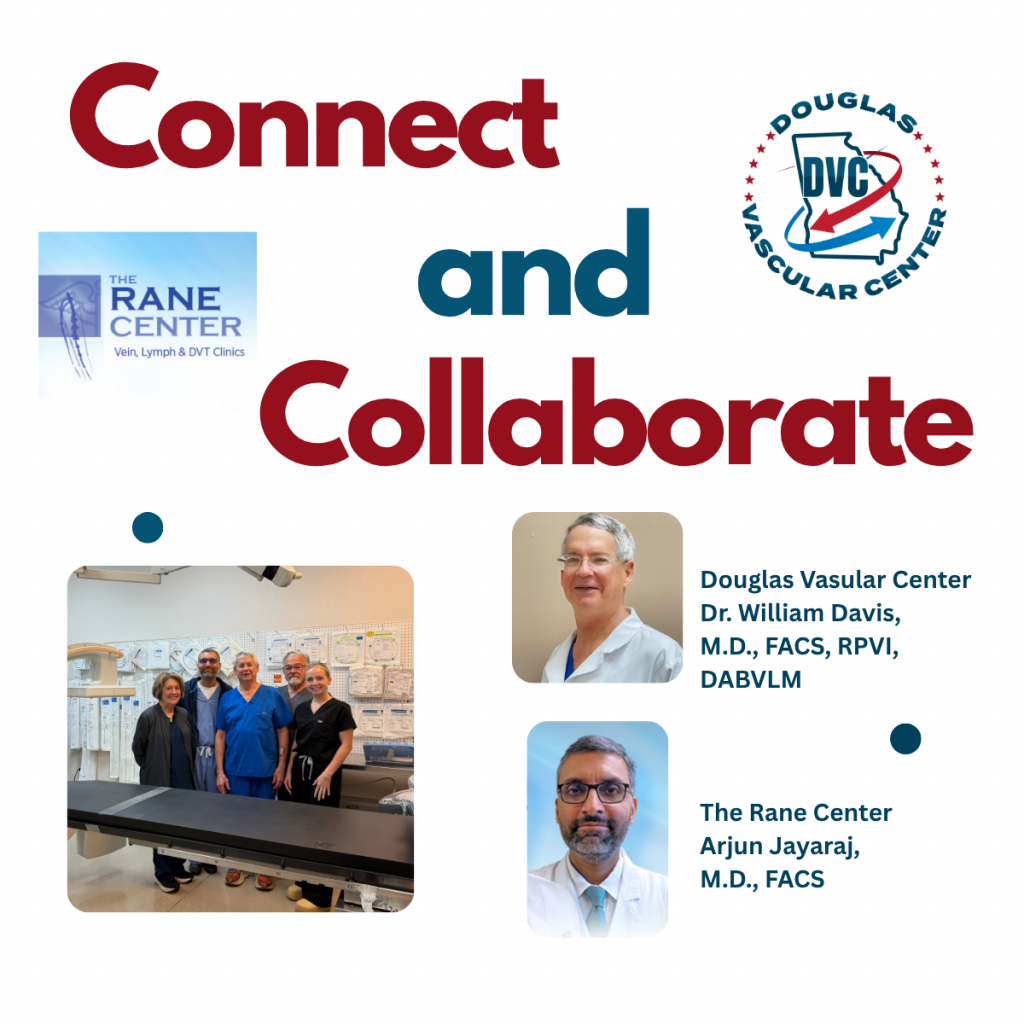
At Douglas Vascular Center, this evolving role of GAE was recently brought into focus during a physician collaboration between William Davis, MD, and Arjun Jayaraj, MD, a board-certified vascular surgeon with extensive experience in complex vascular procedures and national involvement in clinical research and education.
Dr. Davis, who has received specialized training in GAE under Dr. Sid Rao, founder of the Rao Clinic and Vascular Solutions of North Carolina, continues to evaluate how this procedure can be integrated into a comprehensive treatment pathway for patients experiencing knee pain.
Collaborations like this are critical.
They allow physicians to:
· Align technique and patient selection
· Evaluate outcomes and workflow in real-world settings
· Thoughtfully expand access to new procedures
From a broader perspective, this is how new service lines evolve—not in isolation, but through peer-to-peer collaboration and clinical validation.
At American Vascular Associates, we are seeing growing interest in procedures like GAE across multiple markets. The focus is not just on adding services, but on identifying where they fit within the patient journey—and ensuring they are introduced in a way that supports both clinical outcomes and operational success.
As more patients look for alternatives between injections and surgery, the role of minimally invasive options like GAE will continue to expand.
The question is no longer if these procedures have a place—but how they are implemented effectively.